Stem Cell Regenerative Medicine & Dermatology in Cheongdam, Seoul · International Patient Concierge
Medical Guide
Thread Lift Recovery In Korea: Timeline And Expert Tips
Master your thread lift recovery with our expert day by day timeline. Learn what to avoid and how to speed up healing at Cellon Dermatology Seoul.
Schedule a ConsultationThread Lift Recovery In Korea: Timeline And What To Avoid
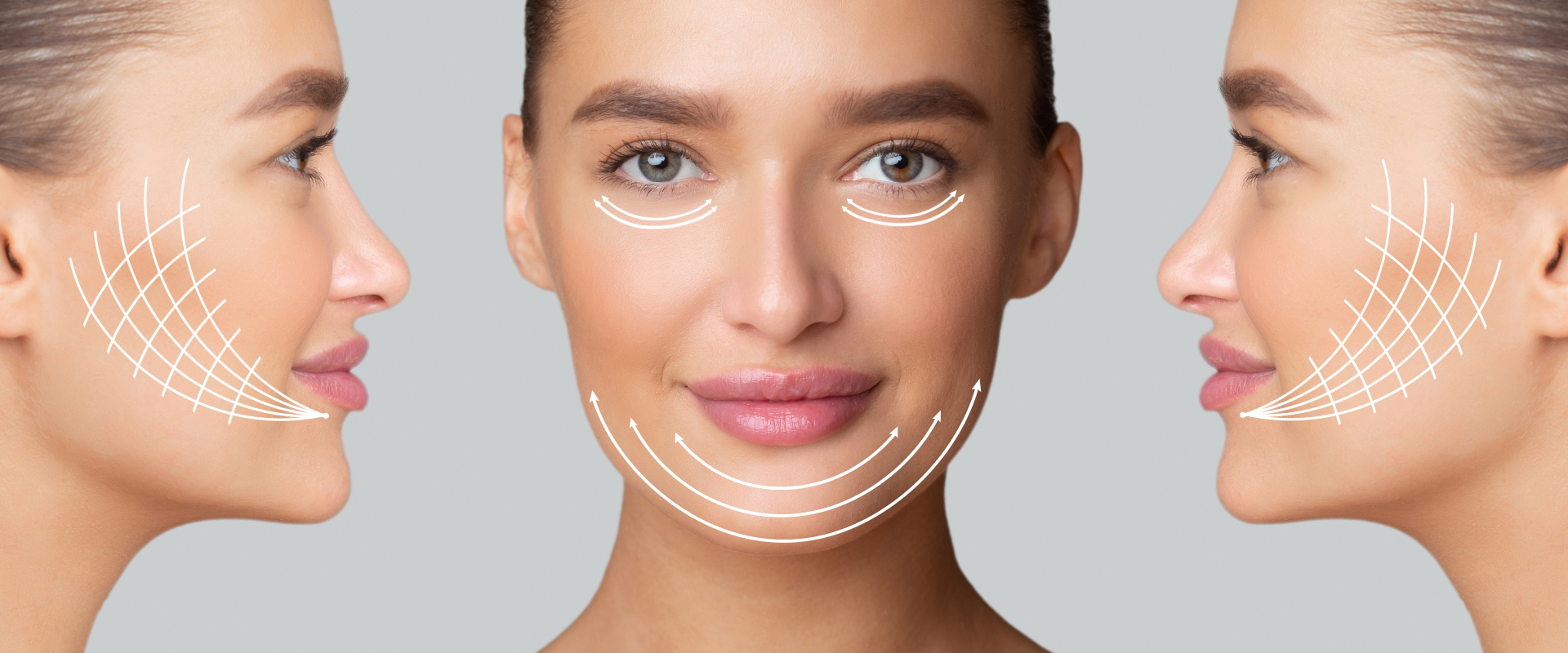
Understanding the thread lift recovery process is essential for patients traveling to Seoul for rejuvenation. While this procedure is celebrated for providing immediate results with minimal downtime, the period following the treatment determines the longevity and quality of the final outcome. International patients from cities like New York or Los Angeles must pay special attention to the intersection of healing and long distance travel. By following a structured recovery plan, you can ensure that your threads anchor correctly and stimulate maximum collagen production for a natural, youthful appearance.
Thinking about a lunchtime lift in Seoul but worried about the journey home to Chicago or Miami? While the procedure is minimally invasive, the secret to a snatched and natural look lies entirely in the precision of your thread lift recovery. Many patients from the USA feel anxious about managing post operative care in a foreign country or worry that swelling might interfere with their travel plans. You need more than just a take it easy instruction; you need a blueprint for healing that accounts for the biological changes occurring beneath your skin.
This comprehensive guide provides a granular day by day recovery timeline from hour one to month six. We will explore the Cellon Method of using regenerative medicine to slash downtime and discuss critical thread lift recovery dos and don'ts for long haul travelers. You will also learn how to distinguish between normal healing sensations and signs that require a medical check up. With this information, you can navigate your journey in Seoul with confidence and return home with a refreshed, vibrant complexion.
As a dermatology specialist with over 15 years of experience and 200 annual surgeries, Chief Director Dr. Seung Hoon Kang has refined thread lift recovery protocols specifically for international patients at Cellon Dermatology. Our clinic combines traditional aesthetic techniques with advanced regenerative medicine to optimize the patient experience.
Understanding The Thread Lift Recovery Process
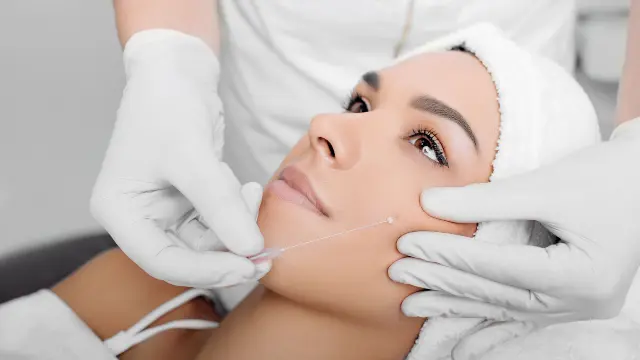
Thread lift recovery is the biological period during which the body integrates synthetic sutures into the facial tissue to stimulate collagen and provide mechanical lift. This process typically involves an initial inflammatory phase lasting three days, followed by a proliferative phase of tissue repair that continues for several weeks as the threads gradually dissolve and leave behind a scaffold of new collagen.
The Biology Of Thread Lift Healing
The journey of healing begins the moment the needle or cannula exits the skin. Inside the subcutaneous layers, the threads act as a foreign body that triggers a controlled healing response. This is known as mechanotransduction, where the physical tension applied by the threads signals the fibroblasts to produce more collagen. During the initial thread lift recovery phase, the body focuses on closing the entry points and managing the micro trauma caused by the thread placement.
Collagen synthesis is a gradual process. In the first few days, the body produces Type III collagen, which is flexible and often associated with early wound healing. Over several months, this is replaced by Type I collagen, which is stronger and provides the structural integrity required for a lasting lift. Understanding this biological transition helps patients realize why their results often look better at the three month mark than they do in the first week.
Recovery Variations By Thread Type
Not all threads are created equal, and the material used significantly influences the thread lift recovery timeline. Polydioxanone or PDO threads are the most common and are absorbed within six months. They tend to have a shorter, more intense initial recovery because they trigger a rapid inflammatory response. This makes them excellent for quick collagen stimulation but may lead to more visible swelling in the first 48 hours.
Polycaprolactone or PCL threads are a newer generation of material that lasts up to two years. Because PCL is a softer material that degrades more slowly, the recovery period is often described as smoother but longer. Patients might feel the presence of the threads for a few weeks longer than they would with PDO. Mint or Cog threads, which feature molded barbs for stronger anchoring, require extra care during the first week to prevent the barbs from disengaging from the tissue due to excessive facial movement.
Why Recovery In Korea Is Different
Recovering from a thread lift in Seoul offers unique advantages that are rarely available in the USA. At Cellon Dermatology, we utilize LDM Water Drop Lifting immediately after the procedure. LDM is a high frequency ultrasound technology that cross links the skin and reduces swelling by accelerating lymphatic drainage. This technology ensures that international patients can enjoy the sights of Seoul without feeling overly self conscious about their appearance.
Furthermore, Korea is at the forefront of regenerative medicine. We often combine thread lifts with SELAVE regenerative therapy or exosome boosters. These treatments deliver growth factors directly into the treated area, significantly shortening the thread lift recovery window. By boosting the skin's internal repair mechanisms, we help international patients achieve a faster transition from the clinical phase to the social phase of their recovery.
Immediate Thread Lift Recovery: The First 72 Hours
The first 72 hours of thread lift recovery represent the acute healing phase where the primary goals are minimizing swelling, preventing infection, and ensuring the threads remain securely anchored. Patients should expect mild bruising and a sensation of tightness as the local anesthesia wears off and the body initiates its natural inflammatory response to the new structural support.
Day One: The First 24 Hours
The first four hours after your procedure are a period of transition. As the local anesthesia wears off, you may experience a dull ache or a feeling of intense tightness. This is a positive sign that the threads are providing the intended lift. During this time, it is vital to avoid touching your face. The entry points are still tiny open wounds, and maintaining a sterile environment is the first rule of thread lift recovery.
Between hours four and twelve, you should begin a strict ice on and ice off protocol. Applying cold packs for 10 minutes every hour helps constrict blood vessels and limit the amount of bruising. When night falls, your sleeping position becomes your most important tool. You must sleep on your back with your head elevated at a 45 degree angle. For our patients from NYC or LA, this also helps combat the natural fluid retention associated with international jetlag.
Day Two: Peak Swelling And Tenderness
Day two is often the day when patients feel the most concern, as swelling and bruising typically peak about 48 hours after the procedure. Your face may feel heavy, and you might notice slight irregularities in the skin surface. This is entirely normal. The internal tissues are adjusting to the mechanical lift, and fluid is rushing to the area to facilitate repair.
Cleaning your face on day two requires a very gentle touch. You should avoid splashing water directly onto your face. Instead, use a soft cotton pad with a gentle cleanser to dab around the treated areas. For international patients staying in Seoul, we recommend staying indoors or wearing a light, loose fitting silk mask if you must go out. Avoid any facial expressions that feel like they are straining the threads, such as wide yawning or shouting.
Day Three: Managing Bruising And Dimpling
By the third day of thread lift recovery, the initial sharp tenderness begins to fade into a more manageable soreness. You may notice some minor dimpling where the threads are anchored. This is not a cause for alarm; it is often a sign of a strong, effective lift. At Cellon Dermatology, we may schedule a follow up on day three to perform a gentle LDM treatment or provide Hyperbaric Oxygen Therapy.
Hyperbaric Oxygen Therapy involves breathing pure oxygen in a pressurized chamber. This increases the amount of oxygen in your blood, which is then delivered to the healing tissues. This significantly speeds up the resolution of bruises and helps the entry points heal faster. If you are an international patient, this is the perfect time to visit the clinic for a quick check up before you begin more active sightseeing in the city.
Week One: Transitioning To Public Life In Seoul
During the first week of thread lift recovery, patients move from acute management to social reintegration as swelling subsides and the skin begins to settle over the new contours. This stage is characterized by a gradual return to light daily activities, provided that patients avoid strenuous facial movements and adhere to professional guidelines regarding skincare and nutrition.
Days Four To Seven: The Social Ready Milestone
As you reach the end of your first week, you will likely find that you are social ready. Most of the significant swelling has subsided, and any remaining bruises can usually be covered with a light application of mineral makeup. At this stage of thread lift recovery, the skin entry points should be completely closed, and the risk of infection is greatly reduced. You can begin to enjoy the cafes and culture of Seoul with more freedom.
However, the internal healing is still very much in progress. You will still feel a sensation of tightness when you smile or speak. It is important to continue eating soft, nutrient dense foods. In Seoul, this is a great time to try traditional Korean porridges, known as juk, which are healthy and easy to eat without excessive chewing. Avoiding hard or crunchy foods prevents the facial muscles from tugging too hard on the newly placed threads.
The Role Of LDM Water Drop Lifting
At Cellon Dermatology, we emphasize the use of LDM Water Drop Lifting during this first week. LDM is an essential part of the thread lift recovery process because it uses dual frequency ultrasound to balance the extracellular matrix. It effectively pushes moisture into the skin while calming inflammation. For a patient who has traveled from the dry air of a flight from Chicago, this hydration is a game changer for the skin's radiance and comfort.
LDM also helps to smooth out any minor lumps or bumps that may be felt under the skin. While these usually resolve on their own, LDM speeds up the process significantly. It ensures that the collagen being formed around the threads is organized and smooth, leading to a more natural look. We typically recommend two to three sessions during your stay in Korea to maximize these benefits.
Travel Readiness Check For US Patients
For our patients from the USA, the end of week one is often when they prepare for the long flight home. Is it safe to fly after a week of thread lift recovery? Generally, the answer is yes. By day seven, the threads are sufficiently anchored to withstand the pressure changes of a flight. However, we provide specific instructions for the 14 hour journey.
You must stay hydrated and avoid salty airplane food which can cause a recurrence of swelling. We recommend wearing a supportive neck pillow to prevent your head from flopping to the side while you sleep, which could put uneven pressure on your face. Using a hydrating facial mist can also help keep your skin barrier intact during the flight. Once you land in Miami or Houston, you can resume your normal routine, but keep the intensity low for another week.
Weeks Two To Four: The Internal Healing Phase
The internal healing phase of thread lift recovery occurs between weeks two and four as the body begins the robust production of new collagen around the structural threads. While the outward signs of surgery have largely vanished, patients must remain cautious with high impact activities to allow the internal tissue remodeling to proceed without interruption or displacement of the threads.
Resuming Exercise And Activity
By the second week of thread lift recovery, many patients feel completely back to normal and are tempted to return to their intense fitness routines. If you live in a fitness forward city like Los Angeles or Miami, this can be a challenge. However, we advise against high impact cardio or heavy weightlifting until at least day 21. The jarring motions of running or the strain of lifting can cause the threads to slip before they are fully encased in new collagen.
Instead, focus on light walking. This promotes circulation without raising your blood pressure too high. Yoga and stretching are generally fine, but you must avoid inversions like headstands or downward dog. Any position where your head is below your heart can increase facial pressure and potentially cause late stage swelling. Listen to your body; if a movement causes a sharp pulling sensation, stop immediately and rest.
Monitoring Thread Integration
During weeks three and four, you might occasionally feel a small zapping sensation or a sharp tingle. This is a normal part of thread lift recovery as the nerves in the skin adjust to the new tissue positions. You may also be able to feel the ends of the threads if you press firmly on certain areas of your face. Do not worry; as the threads begin to soften and the collagen scaffold grows thicker, these sensations will disappear.
This is also the time when the skin texture starts to improve. The threads are working hard to stimulate fibroblasts, and you might notice a healthier glow and tighter pores. If you notice any persistent redness or a bump that feels hot to the touch during this phase, you should contact us via WhatsApp for a quick photo review. While rare, late stage reactions are easier to manage when identified early.
Stage | Timeline | Primary Biological Action | Visible Result |
Inflammatory | Days 1 to 3 | Fluid rush and entry point closure | Maximum swelling and bruising |
Proliferative | Days 4 to 21 | Early collagen formation and anchoring | Settling of features and a subtle glow |
Remodeling | Month 1 to 6 | Strengthening of the collagen scaffold | Final lift and refined contour |
Thread Lift Dos And Don'ts: The Essential Checklist
The success of your thread lift recovery depends on a strict adherence to specific behavioral guidelines designed to protect the integrity of the threads and the health of the skin. Following a professional checklist of dos and don'ts ensures that you avoid common pitfalls such as thread displacement or prolonged inflammation, ultimately securing a long lasting and aesthetic result.
The Absolute Don'ts For Thirty Days
The most critical period for thread lift recovery is the first month. During this time, there are several things you must absolutely avoid to protect your investment. First, avoid all dental appointments. Opening your mouth wide for a cleaning or a filling can put immense strain on the threads in your midface and jawline, potentially causing them to snap or migrate. If you have a dental emergency, please consult with Dr. Kang first.
Second, avoid facial massages and the use of tools like Gua Sha or facial rollers. These tools are designed to move tissue, which is exactly what we want to avoid while the threads are anchoring. Similarly, avoid sleeping on your stomach or side. Pressure on the face can cause asymmetry during the healing process. Finally, avoid excessive heat. This means no saunas, steam rooms, or hot yoga. Heat dilates blood vessels and can bring back swelling even weeks after the procedure.
The Critical Dos For Success
On the positive side, there are several things you can do to enhance your thread lift recovery. Proper hydration is at the top of the list. Water is essential for every cellular repair process in the body. Aim for at least eight glasses a day, especially if you are traveling. Nutrition also plays a role; focus on foods high in Vitamin C and Zinc, which are the building blocks of collagen production.
Sun protection is another vital do. The entry points and any bruised areas are highly sensitive to UV light. Exposure to the sun can lead to permanent hyperpigmentation in these areas. Wear a broad spectrum SPF 50 every day, even if it is cloudy in Seoul or if you are back home in Chicago. Lastly, stay in touch with your clinical team. At Cellon Dermatology, we provide international patients with a direct line for follow up to ensure their peace of mind throughout the recovery.
Category | Recommended Action (Do) | Restricted Action (Don't) |
Sleeping | Elevated on your back | Side or stomach sleeping |
Oral Care | Gentle brushing | Aggressive dental work |
Exercise | Light walking | Running or heavy lifting |
Skincare | SPF 50 and gentle patting | Facial massage or deep peels |
Socializing | Soft smiles and light talk | Wide yawning or shouting |
Diet | Protein and Vitamin C | Alcohol and high sodium foods |
Identifying Abnormal Symptoms During Thread Lift Recovery
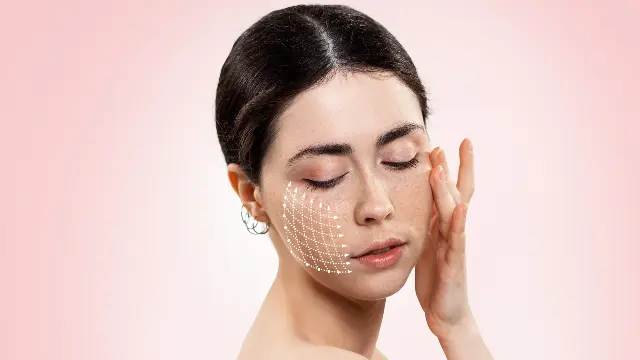
While the majority of patients experience a smooth thread lift recovery, it is important to be able to distinguish between expected post operative changes and symptoms that may indicate a complication. Recognizing early warning signs like persistent heat or unusual discharge allows for prompt medical intervention, ensuring that any issues are resolved without compromising the final aesthetic result.
Normal Side Effects Versus Red Flags
It is completely normal to feel some asymmetry during the first two weeks of thread lift recovery. One side of your face may swell more than the other, or one thread may feel tighter. This is simply the way the body heals and is rarely a sign of the final result. You might also see minor yellow bruising as the initial purple bruises fade. These are all signs of a healthy recovery process.
However, you should be aware of red flags that require immediate attention. If you experience pain that is increasing rather than decreasing after day three, this is a sign to check in. Spreading redness that feels hot to the touch or a fever could indicate an infection. Additionally, if you see a thread actually poking through the skin, do not touch it or try to pull it out. This is a rare occurrence called an extrusion and needs to be handled professionally by a doctor.
Managing Dimpling Or Puckering
Dimpling or puckering of the skin is one of the most common concerns during thread lift recovery. In most cases, this is a temporary effect caused by the thread being anchored close to the skin surface to provide a strong lift. As the tissue relaxes and the thread integrates over the first few weeks, these dimples almost always smooth out on their own.
If dimpling persists beyond week three, Dr. Young Hwan Choi or Dr. Hyung Sun Kim may perform a gentle manual smoothing technique. This involves a professional massage of the area to redistribute the tissue over the thread. International patients should not attempt to smooth out dimples themselves, as incorrect pressure can dislodge the thread's barbs. We can often guide you through a virtual consultation to determine if any action is needed.
Why Choose Cellon Dermatology For Regenerative Lifting
Choosing Cellon Dermatology for your procedure ensures that your thread lift recovery is managed by world class specialists who utilize the latest in regenerative medicine to enhance healing. Our clinic's focus on longevity and natural outcomes, combined with the expertise of Dr. Seung Hoon Kang, provides a superior level of care that prioritizes both your immediate recovery and your long term aesthetic satisfaction.
Dr. Seung Hoon Kang's Expertise And Experience
The success of any thread lift is directly tied to the skill and experience of the performing physician. Chief Director Dr. Seung Hoon Kang brings over 15 years of specialized experience in dermatology and regenerative medicine. Having performed thousands of procedures, he understands the subtle nuances of facial anatomy and how different skin types respond to thread lift recovery.
Dr. Seung Hoon Kang is a frequent speaker at international dermatology conferences and is recognized for his work in anti aging medicine. His approach is not just about pulling the skin; it is about creating a foundation for the skin to heal itself more effectively. This expert perspective ensures that patients from the USA receive a level of care that is both technically advanced and medically sound.
SELAVE Regenerative Therapy: The Cellon Difference
What truly sets Cellon Dermatology apart is our proprietary SELAVE regenerative therapy. We believe that thread lift recovery should be supported by the body's own healing power. By using stem cell derived exosomes and specialized growth factors, we create an environment where collagen production is maximized and downtime is minimized.
This regenerative approach means that our patients often experience less swelling and a faster return to their normal lives. Instead of just waiting for the threads to work, we actively jumpstart the repair process. This is particularly beneficial for our international patients who have a limited window of time in Korea and want to ensure they are getting the best possible results from their journey.
How To Book Your Thread Lift In Seoul
Booking your thread lift and planning for your thread lift recovery at Cellon Dermatology is a streamlined process designed to accommodate the needs of international patients. From your initial virtual consultation to your personalized post operative care plan, our team provides comprehensive support to ensure a seamless experience as you travel to Seoul for your transformation.
Step One: Virtual Consultation
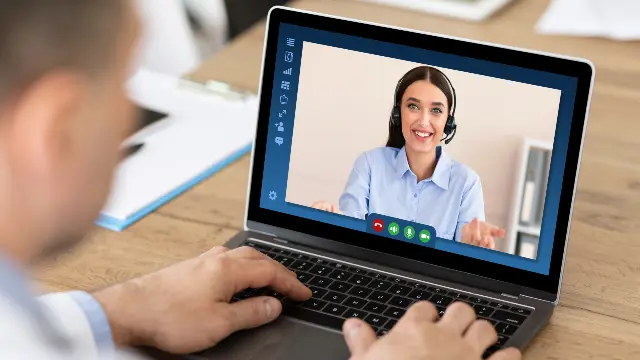
The first step in your journey is a virtual consultation. We understand that traveling from New York, Chicago, or Los Angeles is a big commitment. By reviewing your photos and discussing your goals via a secure video call, Dr. Kang and his team can provide a preliminary assessment and a customized treatment plan. This ensures that you have a clear understanding of the expected outcomes and the thread lift recovery timeline before you even board your plane.
During this call, we will also discuss your medical history and any medications you are taking. This is the time to ask about the specific types of threads we recommend for your skin and how our regenerative therapies can be integrated into your plan. Our goal is to provide total transparency and build trust before your arrival in Korea.
Step Two: Personalized Aftercare Planning
Once you arrive in Seoul and your procedure is complete, we provide you with a detailed aftercare kit and a schedule for your thread lift recovery. This includes LDM sessions, any necessary medications, and a 24/7 contact line for our international patient coordinator. We take the time to explain every step of the process so that you feel supported and informed.
We also help you coordinate your follow up appointments around your travel schedule. Whether you plan to stay in Seoul for five days or two weeks, we ensure that you receive the necessary clinical checks before you depart. Our team is fluent in English and experienced in working with patients from diverse cultural backgrounds, making your experience at Cellon Dermatology comfortable and professional.
Contact Information:
Phone:
WhatsApp: Click Here
Website: /
Location: Gangnam-gu, Seoul, South Korea
Clinic Hours: The clinic operates Monday through Saturday from 10:00 AM to 7:00 PM, providing full-day consultations and treatments. The clinic is closed on Sundays.
Conclusion
A successful thread lift recovery is the cornerstone of achieving the youthful and rejuvenated appearance you desire. By understanding the biological timeline of healing and following the expert guidance provided by Dr. Seung Hoon Kang and the team at Cellon Dermatology, you can navigate the weeks following your procedure with ease. Whether you are navigating the vibrant streets of Seoul or returning to your daily life in NYC or LA, these protocols are designed to protect your results and enhance your skin's health.
The integration of advanced regenerative medicine, such as SELAVE therapy and LDM lifting, sets the standard for care in Korea. These technologies work in harmony with your body’s natural processes to stimulate collagen and reduce downtime. Remember that patience is a virtue in the thread lift recovery journey; while the immediate lift is exciting, the true beauty of the treatment unfolds over several months as your skin becomes firmer and more radiant from within.
Your journey to a more confident version of yourself begins with an informed decision and a commitment to professional aftercare. If you are ready to explore the possibilities of a thread lift in the world's capital of dermatology, we are here to guide you every step of the way. Your successful thread lift recovery depends on following these expert steps and partnering with a clinic that prioritizes your safety and aesthetic excellence.
Ready to rejuvenate your profile with Korea’s leading regenerative specialists? Contact Cellon Dermatology today to schedule your virtual consultation. Our team is standing by to help you plan your journey to Seoul and ensure that your experience is as seamless and rewarding as possible. Reach out via WhatsApp or email to start your transformation today.
About The Author
Dr. Seung Hoon Kang is the Chief Director at Cellon Dermatology in Seoul, South Korea. With over 15 years of experience in regenerative dermatology and aesthetic medicine, he is a leading expert in stem cell therapy and advanced thread lifting techniques. Dr. Kang is a member of the Korean Dermatological Association and has performed thousands of procedures for both local and international patients, focusing on natural longevity and clinical excellence.
For Information: Phone: | WhatsApp: Click Here | Email:
More Articles
Continue reading our clinical guides.
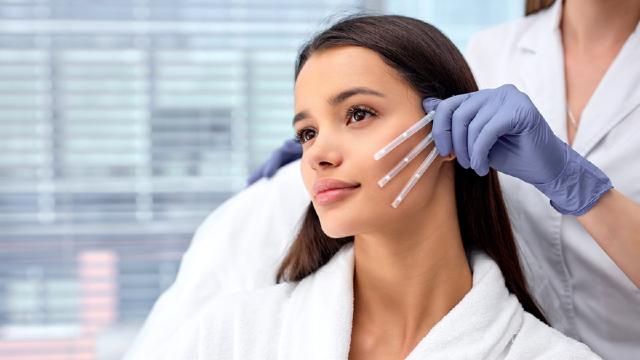
Thread Lift Complications Korea: Revision And Fixes At Cellon
Struggling with thread lift complications? Cellon Dermatology in Korea offers expert revision using stem cells. Book your consultation with Dr. Kang today.
Learn More
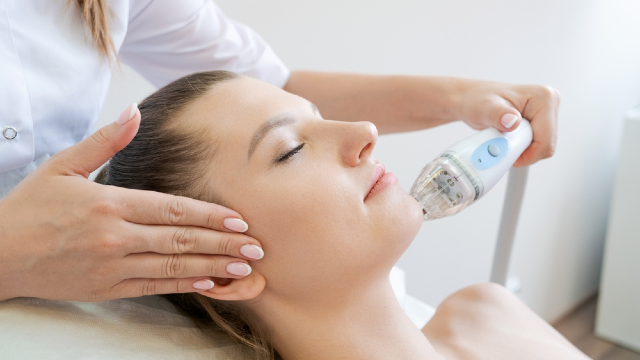
Eravity Regenerative Laser Seoul Guide For US Patients
Learn why regenerative laser Korea is the top choice for US patients seeking skin rejuvenation. Compare costs, technology, and results at Cellon Dermatology.
Learn More
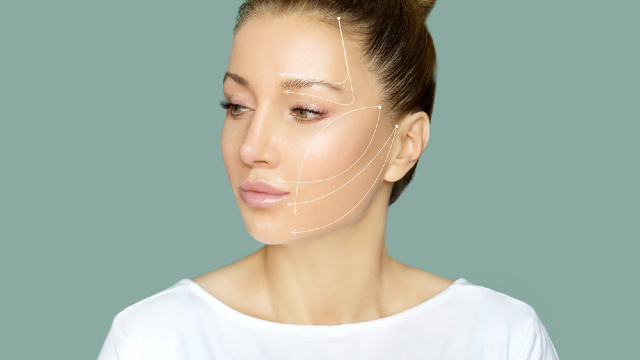
Thread Lift Complications Cost and Revision Guide Korea 2026
Dealing with a bad result? Discover the thread lift complications cost for revision in Korea. Expert correction by Dr. Seung Hoon Kang at Cellon Dermatology.
Learn More