Stem Cell Regenerative Medicine & Dermatology in Cheongdam, Seoul · International Patient Concierge
Adverse Effect Correction · Needs Clinic Confirmation
Lower Eyelid Surgery Complications
Lower eyelid procedures are performed using different surgical methods depending on the clinic and the patient’s condition.
Schedule a Consultation
Cellon Dermatology Specialty Care
Lower eyelid procedures are performed using different surgical methods depending on the clinic and the patient’s condition. However, in some cases, Lower Eyelid Surgery Complications may occur when the surgical approach does not fully consider the underlying cause or when technical precision is insufficient.
At Cellon Dermatology, lower eyelid complication care focuses on understanding why these issues develop and how they affect the natural structure of the under-eye area. When surgery is not properly planned or executed, patients may experience changes in contour, texture, or volume under the eyes. These changes often lead to revision needs or corrective treatment.
Complications may include uneven surface appearance, structural imbalance, or long-term changes in volume and skin quality. Because the under-eye area is delicate and closely connected with overall facial balance, careful evaluation is essential before deciding on any corrective approach.
Conditions Treated in Lower Eyelid Surgery Complications
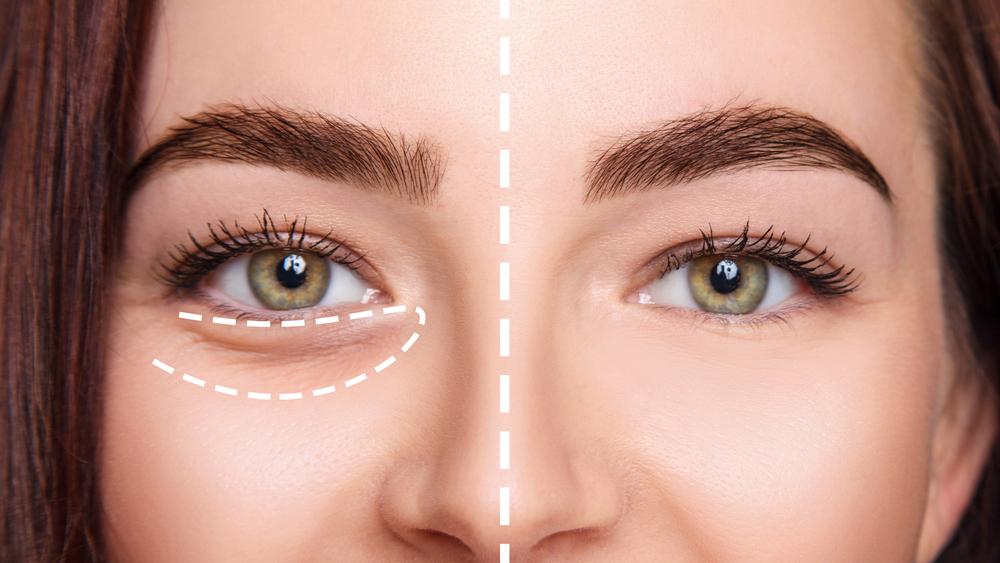
Patients experiencing Lower Eyelid Surgery Complications may present with a variety of concerns. These conditions can develop after fat removal, fat grafting, filler procedures, or under-eye corrective surgeries.
Wrinkle Formation
Wrinkles or crease-like lines may remain in the under-eye region after fat removal procedures. In some cases, the intended smooth contour is not achieved, leaving visible under-eye folds or grooves.
Uneven Surface
An uneven under-eye surface may occur after fat grafting or filler treatments. This can result in irregular texture, where the skin does not appear smooth or balanced across the treated area.
Under-Eye Hollowing
Some patients may experience progressive hollowing in the under-eye region over time. This condition can become more noticeable as changes in tissue volume continue after surgery.
Under-Eye Bulging
In certain cases, the under-eye area may become protruded again even after previous surgical correction. This recurrence of bulging can affect facial harmony and create an unbalanced appearance.
Each of these conditions represents a form of Lower Eyelid Surgery Complications, and they may vary depending on individual anatomy, previous procedures, and tissue response.
Treatment Approach for Lower Eyelid Surgery Complications
The treatment of Lower Eyelid Surgery Complications requires a precise and individualized approach. At Cellon Dermatology, the treatment process begins with a detailed evaluation of each patient’s condition, including scar formation, adhesion level, and remaining skin quality.
Rather than applying a single standardized method, the treatment is planned through consultation with the patient. This ensures that the selected approach is appropriate for the specific type of complication and the individual’s facial structure.
In complication cases, the medical team carefully identifies the root cause of the issue based on long-term clinical experience. Treatment is then selectively applied depending on the identified cause, rather than focusing only on surface symptoms.
A key principle in the treatment process is maintaining overall facial balance. Even when addressing localized under-eye concerns, the surrounding facial harmony is considered to ensure a natural and consistent outcome.
Medical Approach and Clinical System
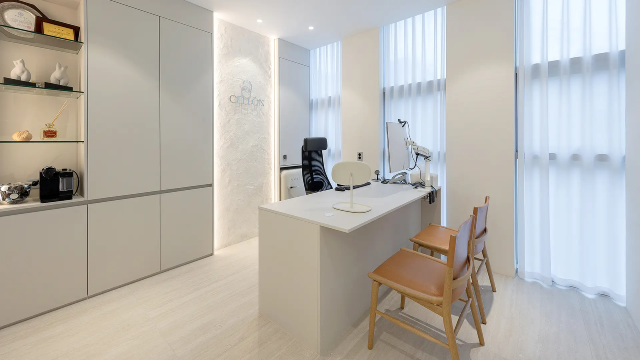
Cellon Dermatology applies a structured and cautious medical approach when managing Lower Eyelid Surgery Complications.
Cause-Focused Diagnosis
Each complication case is analyzed to determine the exact underlying cause. This step is essential for selecting the most appropriate treatment method and avoiding unnecessary intervention.
Individualized Treatment Planning
Treatment plans are developed based on the patient’s scar condition, adhesion level, and remaining skin structure. This individualized planning helps ensure that the procedure is tailored to the specific complication.
Selective Treatment Strategy
Rather than treating all symptoms uniformly, selective treatment is performed based on the root cause of the complication. This approach supports more targeted correction of under-eye irregularities.
Facial Balance Consideration
All treatments are performed with attention to overall facial proportion and harmony. The goal is not only to address the complication itself but also to maintain natural facial aesthetics.
Minimization of Nerve Tissue Damage
During treatment for Lower Eyelid Surgery Complications, care is taken to minimize damage to surrounding nerve tissues. This careful approach is an important part of the clinical system.
Scar Management with Laser Treatment
If scars have formed after previous procedures, laser treatment may be used to reduce their visibility. The aim is to make scars as unobtrusive as possible within the treated area.
Safety Standards and Patient Care Process
Safety is a key component in the management of Lower Eyelid Surgery Complications at Cellon Dermatology.
Most treatments are performed under local anesthesia, which supports procedural safety and patient comfort. This approach allows the treatment to be conducted in a controlled and stable clinical environment.
Before treatment begins, patients undergo consultation to assess their condition and determine the most appropriate corrective strategy. This consultation-based process ensures that decisions are made with full consideration of individual anatomical and surgical history factors.
The care process is designed to reduce unnecessary intervention and focus only on medically relevant correction based on the identified complication type.
Recovery, Follow-Up, and Long-Term Care
Recovery following treatment for Lower Eyelid Surgery Complications varies depending on the type of correction performed and the patient’s initial condition. Because each case is different, post-treatment care is adjusted according to individual healing responses.
Follow-up care is an important part of the overall treatment process. Patients are monitored to ensure that healing progresses appropriately and that the treated area remains stable over time.
Long-term care focuses on maintaining under-eye balance and addressing any residual concerns that may arise after initial correction. In cases where scars are present, laser-based scar management may continue as part of ongoing care to improve visual refinement.
Cellon Dermatology emphasizes continuous evaluation throughout the recovery process to support stable and satisfactory outcomes based on each patient’s unique condition.
Conclusion
Lower Eyelid Surgery Complications can present in different forms, including wrinkles, uneven surface texture, hollowing, and recurrent bulging. These conditions require careful diagnosis and a structured treatment approach that considers both the cause and the individual characteristics of the patient.
At Cellon Dermatology, complication management is centered on cause-based evaluation, individualized planning, selective treatment, and overall facial balance. With attention to scar condition, tissue adhesion, and skin quality, treatment is designed to address the specific nature of each case while minimizing unnecessary intervention.
For patients experiencing under-eye concerns after previous procedures, a detailed consultation is the first step in determining an appropriate treatment plan tailored to their condition.
Other Services
Explore additional regenerative and dermatological procedures offered by our specialists.

VASER Abdominal Sculpting
VASER Abdominal Sculpting is an advanced body contouring procedure designed to define and enhance the natural structure of the abdominal muscles.
Learn More
Lower Eyelid Surgery Complications
Lower eyelid procedures are performed using different surgical methods depending on the clinic and the patient’s condition.
Learn More

SELAVE Regenerative Therapy
SELAVE Regenerative Therapy at Cellon Dermatology is an advanced, non-thermal skin regeneration treatment designed to support the skin’s natural renewal processes.
Learn More