Stem Cell Regenerative Medicine & Dermatology in Cheongdam, Seoul · International Patient Concierge

Stem Cell & Regenerative Medicine · Needs Clinic Confirmation
Stem Cell Therapy
Stem Cell Therapy at Cellon Dermatology is a regenerative medical approach designed to support the skin’s natural healing and renewal processes.
Schedule a Consultation
Stem Cell Therapy at Cellon Dermatology is a regenerative medical approach designed to support the skin’s natural healing and renewal processes. By utilizing adipose-derived mesenchymal stem cells (AD-MSCs) obtained from the patient’s own body, this therapy focuses on improving skin quality through biologically active mechanisms such as tissue repair, inflammation control, and collagen stimulation.
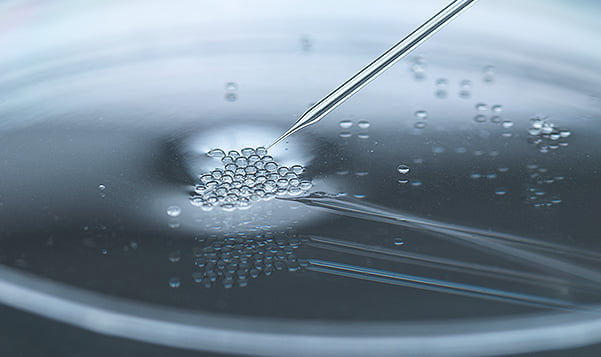
Within subcutaneous fat tissue, there exists a rich supply of mesenchymal stem cells—often described as a natural “stem cell reservoir.” These cells can be carefully harvested, processed, and cultured in a controlled environment to create a high-purity solution suitable for therapeutic use.
At Cellon Dermatology, Stem Cell Therapy is positioned within the broader field of stem cells and regenerative medicine, offering a structured and medically supervised approach tailored to individual skin conditions.
Conditions Addressed with Stem Cell Therapy
Stem Cell Therapy may be considered for patients experiencing a range of skin-related concerns associated with aging, damage, or sensitivity. Based on the mechanisms described, the treatment may help address:
Skin Laxity and Loss of Elasticity
Reduced collagen density over time can lead to sagging and less defined facial contours. Stem cell activity supports collagen and elastin production, contributing to firmer-looking skin.
Fine Wrinkles and Uneven Texture
Changes in the dermal structure can result in fine lines and enlarged pores. By promoting dermal regeneration, Stem Cell Therapy may help refine skin texture.
Pigmentation and Scarring
Skin repair processes supported by stem cell signaling may assist in improving the appearance of pigmentation irregularities and scars.
Dry and Sensitive Skin
Chronic inflammation and weakened skin barriers can lead to dryness and sensitivity. Immune-regulating effects may help stabilize and strengthen the skin barrier.
Results may vary depending on individual skin condition, lifestyle, and overall health.
How Stem Cell Therapy Works
Stem Cell Therapy at Cellon Dermatology is based on well-defined biological mechanisms that contribute to skin regeneration and maintenance.
Paracrine Signaling
Stem cells release growth factors and cytokines that stimulate surrounding cells. These signaling molecules promote the production of collagen and elastin, key components of skin structure.
Immune Modulation
The therapy helps regulate immune responses by balancing T-cells and macrophages. This process may reduce chronic inflammation and support a more stable skin environment.
Antioxidant Activity
By reducing reactive oxygen species (ROS), stem cells help protect skin cells from oxidative stress, which is a contributing factor in aging.
Cellular Differentiation
A portion of the stem cells may differentiate into fibroblasts, supporting the repair and reconstruction of damaged dermal tissue.
Treatment Process at Cellon Dermatology

Stem Cell Therapy follows a structured, multi-step process to ensure safety, quality, and personalization.
1. Fat Tissue Collection
A small amount of fat (approximately 10–20 mL) is gently extracted using a thin cannula under local anesthesia. This minimally invasive step provides the source of stem cells.
2. Stem Cell Isolation
The collected fat is processed through centrifugation to isolate the stromal vascular fraction (SVF), which contains a high concentration of stem cells.
3. Cell Culture and Expansion
The isolated cells are cultured in a GMP-certified facility over a period of 2–3 weeks. During this time, the number of cells increases significantly, allowing for therapeutic use.
4. Quality and Safety Testing
Before use, the cultured cells undergo strict testing:
Confirmation of absence of bacteria, mycoplasma, and endotoxins
Verification of stem cell markers (CD73⁺, CD90⁺, CD105⁺)
5. Personalized Administration
Depending on the patient’s skin condition, different administration methods may be selected:
Microinjection into targeted areas
Layered injection techniques
Intravenous infusion when appropriate
This tailored approach allows the treatment to align with individual needs and clinical goals.
Cellon Dermatology’s Medical Approach
Cellon Dermatology applies a patient-centered, regenerative medicine framework to Stem Cell Therapy. The clinic emphasizes:
Individualized Treatment Planning
Each patient undergoes an evaluation to determine the most appropriate method of stem cell application based on skin condition and concerns.
Integrated Regenerative Protocols
To support early cell survival and effectiveness, the clinic incorporates adjunctive methods such as:
Hyperbaric oxygen therapy
LED regenerative light therapy
These are used as part of a structured protocol to enhance treatment conditions.
Cell Banking System
Cellon Dermatology operates a cell banking system, allowing stem cells obtained from a single extraction to be stored and used for future treatments. This minimizes the need for repeated harvesting procedures.
Objective Assessment Tools
The clinic utilizes technologies such as ultrasound imaging and 3D scanning to perform quantitative evaluations before and after treatment. This supports consistent monitoring and clinical assessment.
Safety Standards and Patient Care
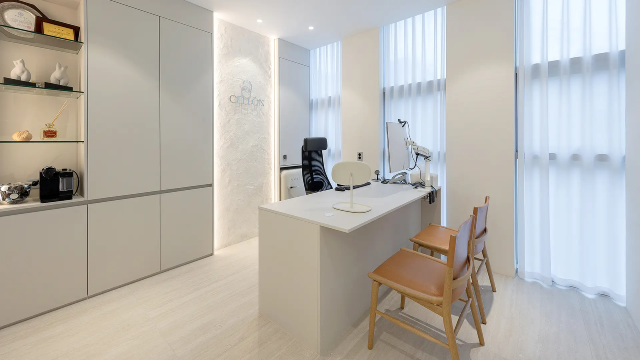
Safety is a central component of Stem Cell Therapy at Cellon Dermatology.
Use of Autologous Cells
Because the therapy uses the patient’s own tissue, the risk of immune rejection or foreign body reaction is extremely low.
Controlled Laboratory Environment
All cell processing and culturing are conducted in GMP-certified laboratories, ensuring strict control over sterility and quality.
Regulatory Compliance
Cellon Dermatology operates as a designated advanced regenerative medicine institution, adhering to established medical regulations and standards.
Comprehensive Testing Protocols
Each batch of cultured cells undergoes rigorous safety testing to confirm purity and suitability before administration.
Recovery and Aftercare
Immediate Recovery
Fat extraction is minimally invasive and performed under local anesthesia
Mild bruising or swelling at the extraction site may occur but typically resolves within 3–5 days
Most patients can resume normal daily activities immediately
Post-Treatment Monitoring
Patients are monitored over time to evaluate treatment response. Follow-up visits may include:
Clinical assessment of skin condition
Imaging or scanning for objective comparison
Treatment Frequency
In many cases, a single treatment is followed by observation over 6–12 months. Additional sessions may be recommended based on individual progress and treatment goals.
Long-Term Care and Maintenance
Stem Cell Therapy is designed to support ongoing skin regeneration rather than provide a one-time change. Long-term care may involve:
Periodic Evaluation
Regular assessments help determine whether additional treatments are beneficial.
Combination Approaches
Stem Cell Therapy can be used alongside other treatments, such as energy-based lifting devices, as they operate through different mechanisms. The sequence and combination are determined through medical consultation.
Lifestyle Considerations
Individual results may be influenced by factors such as skincare routines, environmental exposure, and overall health. Maintaining healthy habits supports the longevity of treatment outcomes.
Conclusion
Stem Cell Therapy at Cellon Dermatology represents a structured and medically supervised approach within regenerative medicine. By utilizing adipose-derived mesenchymal stem cells, the therapy focuses on enhancing the skin’s natural ability to repair, regenerate, and maintain balance.
Through a carefully controlled process—including harvesting, culturing, testing, and personalized administration—this treatment is designed to align with patient-specific needs while maintaining high safety standards. With ongoing monitoring and a long-term care perspective, Stem Cell Therapy offers a methodical approach to supporting skin health over time.
Other Services
Explore additional regenerative and dermatological procedures offered by our specialists.

VASER Abdominal Sculpting
VASER Abdominal Sculpting is an advanced body contouring procedure designed to define and enhance the natural structure of the abdominal muscles.
Learn More
Lower Eyelid Surgery Complications
Lower eyelid procedures are performed using different surgical methods depending on the clinic and the patient’s condition.
Learn More

SELAVE Regenerative Therapy
SELAVE Regenerative Therapy at Cellon Dermatology is an advanced, non-thermal skin regeneration treatment designed to support the skin’s natural renewal processes.
Learn More